
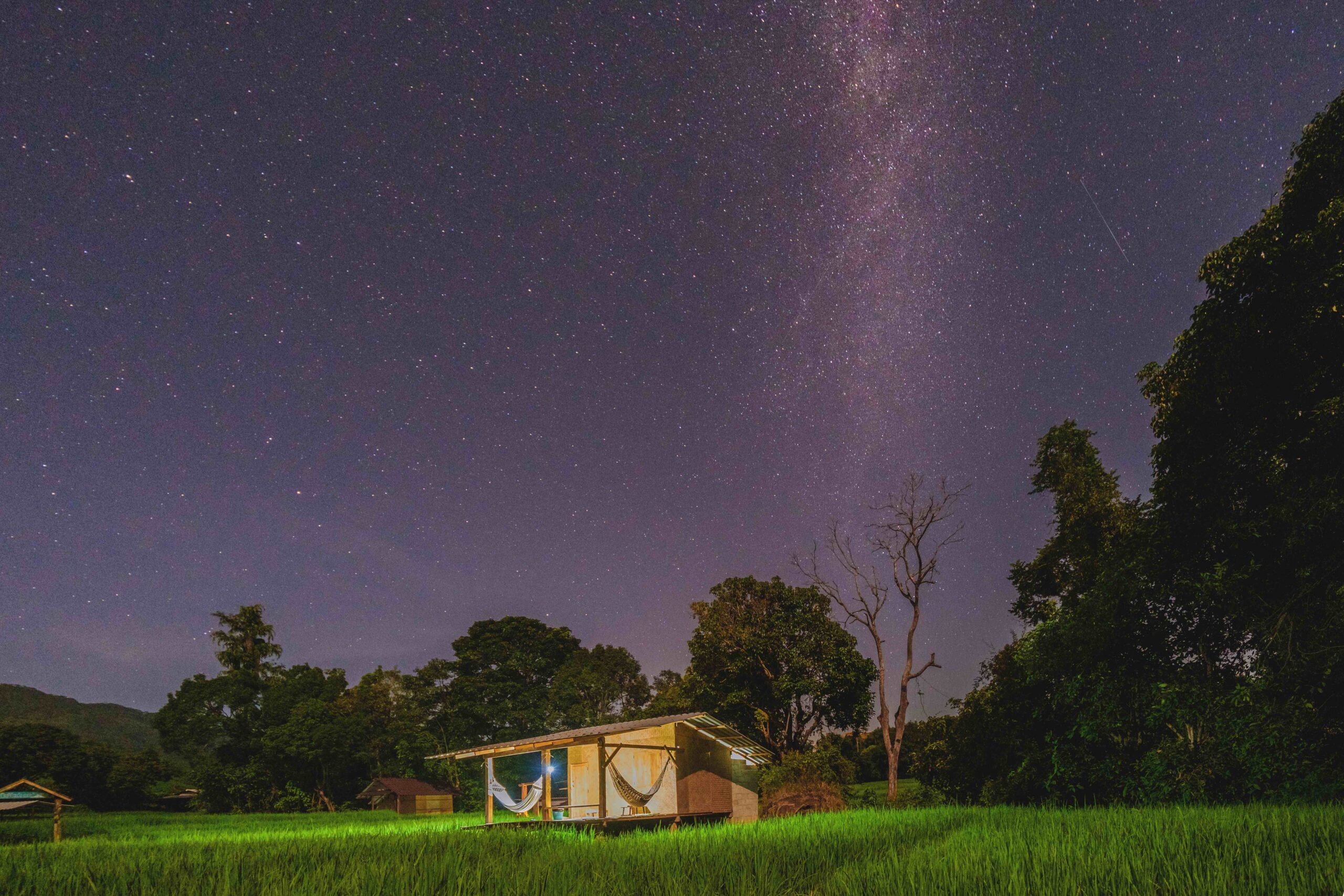
Off-grid living in America is an attractive idea for people who want more freedom, lower monthly bills, and a closer connection to nature. Instead of depending fully on public utilities, an off-grid home usually creates its own power, manages its own water, and handles waste through a private system.
But off-grid living is not the same as living without rules.
In the United States, the legal side depends heavily on where the land is located. One county may be flexible, while another may require permits, inspections, approved septic, road access, and a legal dwelling before anyone can live there full time.
What Off-Grid Living Means
Off-grid living usually means that a home is not fully connected to public utilities. It may use solar panels, batteries, a well, rainwater storage, composting systems, propane, wood heat, or a septic system.
Some people live fully off-grid. Others choose a hybrid setup. For example, they may use solar power but still have a grid connection, or they may have a well and septic system but use propane for heat and cooking.
Common off-grid housing options include:
- Cabins.
- Tiny homes.
- RVs.
- Yurts.
- Container homes.
- Earthships.
- Homestead houses.
- Remote modular homes.
The goal is usually the same: more independence and a simpler lifestyle.
Is Off-Grid Living Legal?
Off-grid living is not illegal by itself. The problem is that your setup still has to follow local land-use, zoning, building, health, and safety rules. That means the real question is not “Can I live off grid?” but “Can I legally live off grid on this specific piece of land?”
Before buying land, check the local rules. Start with the county planning or zoning office. Then contact the building department and health department.
You should ask about:
- Residential zoning.
- Minimum home size.
- Building permits.
- Septic or sewer rules.
- Well permits.
- Driveway access.
- Electrical inspections.
- Alternative toilet systems.
- Camping or temporary dwelling limits.
Rural land is usually easier than city land, but it is not automatically free from regulation. Some rural counties still have strict rules for waste, water, and permanent residence.
Water and Waste Are the Big Issues
Power is often the easiest part of off-grid living. Water and waste are usually more complicated.
If the property is not connected to public water, you may need a well. In some places, you can collect rainwater, but rules vary by state and local area. If you want to drink collected rainwater, you also need safe storage and filtration.
Wastewater is even more important. Many counties require an approved septic system if people will live on the land full time. Septic systems need soil testing, installation permits, inspections, and maintenance.
Some off-grid homeowners want composting toilets. These can work well in certain places, but they are not accepted everywhere as a full replacement for septic. Always check before buying equipment.
Power for an Off-Grid Home
Solar panels are the most common power source for off-grid living. A basic system includes solar panels, a charge controller, batteries, and an inverter. The panels create energy during the day, while the batteries store power for night, cloudy weather, and emergencies.
You may also need a backup generator. This is especially useful in areas with long winters, heavy tree cover, or many cloudy days.
Before building a system, estimate your energy use. A small cabin with lights, a laptop, a fridge, and a water pump needs much less power than a full house with electric heat, laundry machines, and air conditioning.
Costs to Expect
Off-grid living can save money long term, but starting costs can be high. Cheap land may need expensive improvements before it becomes livable.
Main costs can include:
- Land purchase.
- Driveway or road work.
- Well drilling.
- Septic installation.
- Solar panels and batteries.
- Permits and inspections.
- Tools and equipment.
- Heating system.
- Backup generator.
- Internet connection.
The biggest mistake is buying land before checking whether it can legally support a home. A beautiful cheap parcel can become a bad deal if you cannot get water, septic approval, or residential permission.
Best Places for Off-Grid Living
Good off-grid locations usually have affordable land, flexible zoning, enough sunlight, access to water, and a climate you can manage. Many people look at states with wide rural areas, such as Texas, Tennessee, Missouri, Arkansas, Arizona, New Mexico, Idaho, and parts of the Pacific Northwest.
However, rules change by county. A state may seem off-grid friendly, while one county inside that state may be difficult.
Always research locally.
Final Thoughts
Off-grid living in America can be simple, peaceful, and practical when planned correctly. It can also become stressful if you ignore permits, zoning, water, or waste rules. The smartest path is to choose land carefully, speak with local offices before buying, plan your utilities, and build a setup that is both independent and legal. Off-grid living is not about escaping every system. It is about creating a home that works with fewer dependencies, better planning, and more control over daily life.