

RV living has become one of the most interesting housing options in America. For some people, it is a way to travel more. For others, it is a way to reduce housing costs, live closer to nature, or use their own land without building a traditional house right away.
The idea is simple: instead of paying rent or buying a large home, you live in a recreational vehicle. That RV can be a motorhome, travel trailer, fifth wheel, or camper. It gives you a place to sleep, cook, work, rest, and move when needed.
But RV living is not only about freedom. It also comes with rules. If you want to live in an RV full time, especially on your own land, you need to understand zoning, permits, utilities, waste disposal, and local laws.
What Is RV Living?
RV living means using a recreational vehicle as your main home or as a long-term living space. Some people stay in RV parks. Some travel from state to state. Others buy land and park their RV there as a cheaper alternative to building a house.
There are several common types of RV homes:
- Motorhomes, which can be driven like large vehicles.
- Travel trailers, which are pulled by a truck or SUV.
- Fifth wheels, which are larger trailers connected to a pickup truck.
- Camper vans, which are smaller and easier to move.
- Truck campers, which sit on the back of a pickup.
Each option has a different lifestyle. A camper van is great for travel and mobility. A fifth wheel can feel more like a small apartment. A motorhome may be comfortable, but maintenance can be expensive.
The best choice depends on your budget, your land, your travel plans, and how much space you need.
Why People Choose RV Living?
The biggest reason is freedom. RV living gives people more control over where and how they live. It can also make life simpler, because there is less space for things you do not need.
Another reason is cost. A traditional home can be very expensive in many parts of the United States. Rent, mortgage payments, property taxes, repairs, utilities, and insurance can take a large part of monthly income. An RV is not free, but it can be cheaper than a regular house if planned correctly.
RV living can also work well for people who want:
- Lower monthly housing costs.
- A smaller and simpler home.
- More time outdoors.
- The ability to travel.
- A temporary home while building a house.
- A way to live on rural land.
- A lifestyle with fewer possessions.
Still, it is important to be realistic. RV living is not a vacation every day. You will deal with small spaces, weather, repairs, water tanks, waste systems, and local rules.
Can You Live in an RV on Your Own Land?
In many places, yes, you may be able to live in an RV on your own land. But the answer depends on local laws. In the United States, RV rules are usually decided by counties, cities, zoning offices, health departments, and sometimes homeowner associations.
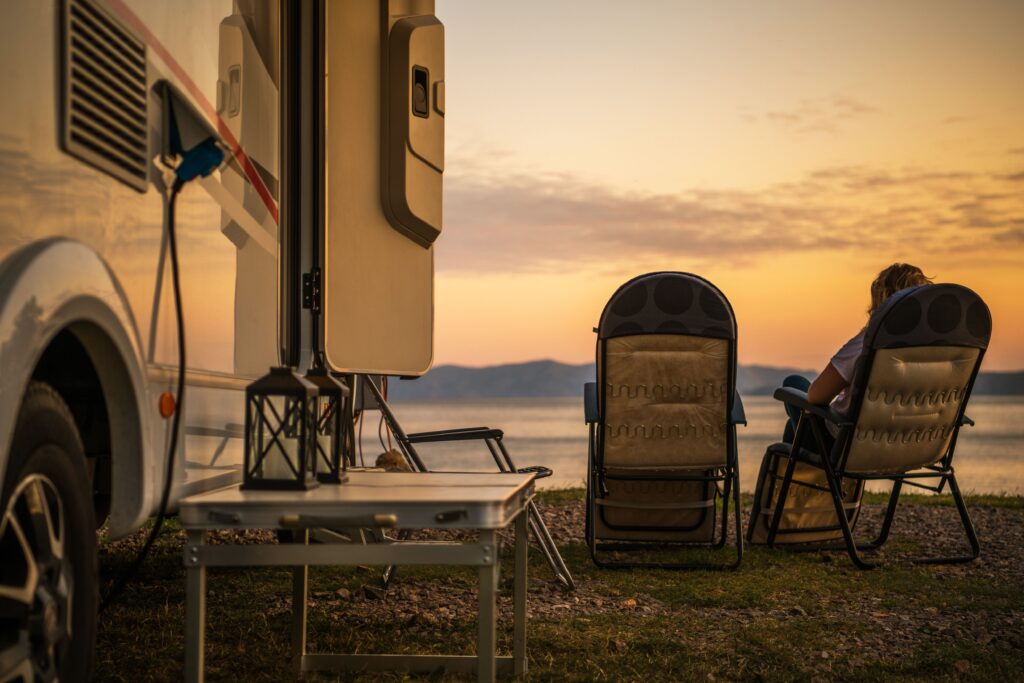
This is the most important rule: owning the land does not always mean you can live on it however you want.
Before buying land or moving your RV onto it, check:
- County zoning rules.
- City ordinances.
- Building department requirements.
- Health department rules.
- Septic and well requirements.
- Driveway or access rules.
- HOA restrictions.
- Deed restrictions or land covenants.
Rural land usually gives you more flexibility than city land. Cities often have stricter rules about parking, camping, long-term vehicle use, and what counts as a legal residence.
Permits and Local Rules
The first office to contact is usually the county building or planning department. Ask if full-time RV living is allowed on private land. Then ask whether you need a temporary permit, residential permit, driveway permit, septic approval, or address assignment.
Some counties allow one or two RVs on private land without a special permit. Others may limit how many days per year you can stay in an RV. Some may allow RV living only while you are building a permanent house.
You should also ask whether adding structures changes the rules. For example, an RV by itself may be allowed, but a deck, shed, carport, or permanent utility connection might require a permit.
The safest approach is to get answers in writing. A phone call is helpful, but written rules are better if there is confusion later.
Water, Septic, and Power
Utilities are one of the biggest practical issues in RV living. If you stay in an RV park, water, sewer, and electricity may already be available. If you live on raw land, you may need to create these systems yourself.
In many counties, long-term living requires approved waste handling. That usually means access to a public sewer system or a permitted septic system. If public water is not available, you may need a well.
Basic systems to plan for include:
- Water: public water connection, well, water tank, or delivery;
- Waste: septic system, sewer hookup, composting toilet, or approved alternative;
- Electricity: grid power, generator, solar setup, or hybrid system;
- Road access: driveway that emergency vehicles can use;
- Mail and address: assigned property address or mail service.
Even if you want an off-grid lifestyle, local health rules may still require safe waste disposal. Some places allow composting toilets or pit toilets in limited situations, but others do not. Always check before spending money.
Can an RV Be a Permanent Residence?
For some official purposes, an RV can be treated as a home if it has basic living facilities. IRS guidance on homes includes properties such as house trailers when they contain sleeping, cooking, and toilet facilities.
This does not automatically mean every county will allow you to live in an RV full time on any land. Tax treatment and zoning permission are different issues. Your RV may qualify as a residence for one purpose but still be restricted by local land-use rules.
For everyday life, getting a legal address can be very useful. It helps with mail, banking, driver’s license records, insurance, taxes, voter registration, and emergency services. Some counties assign an address only through a building process, while others may assign one if you have a legal driveway or approved access.
Pros and Cons of RV Living
RV living can be a great housing choice, but it is not perfect.
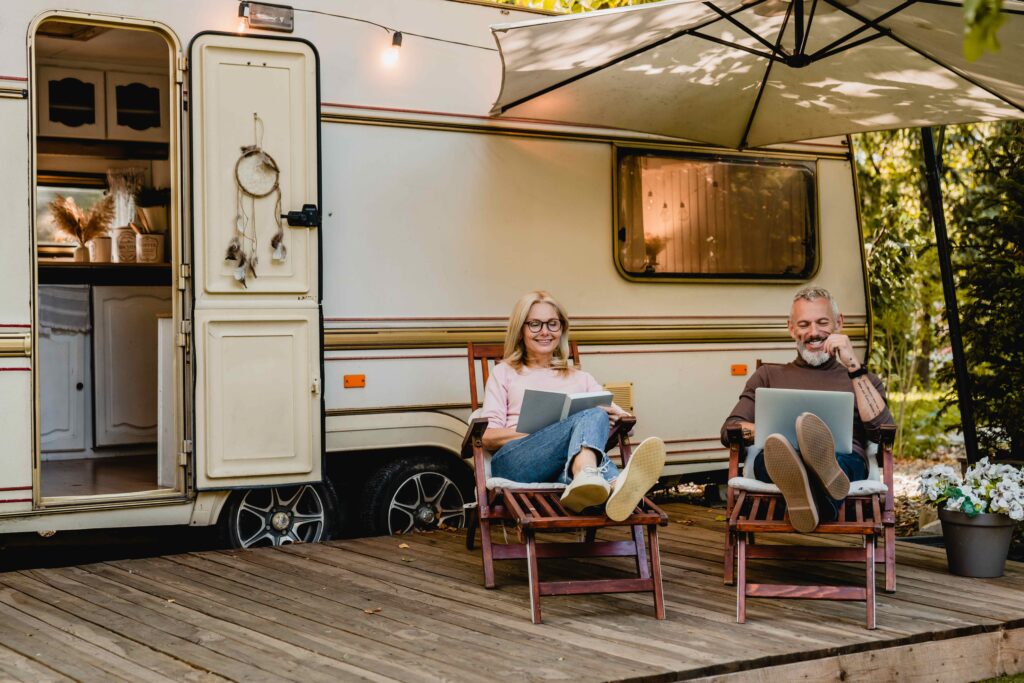
Main benefits:
- Lower housing costs.
- More flexibility.
- Simple lifestyle.
- Travel opportunities.
- Closer connection to nature.
- Faster move-in than building a house.
Main drawbacks:
- Limited space.
- Strict local laws in some areas.
- Septic and utility costs.
- Weather problems.
- Maintenance and repairs.
- Less privacy in RV parks.
- Possible financing and insurance limits.
A common mistake is thinking RV living is automatically cheap. It can be affordable, but land, permits, septic, well drilling, solar power, insurance, fuel, and repairs can add up quickly.
Best Places for RV Living in America
The best state for RV living depends on your goals. If you want warm winters, Florida, Texas, Arizona, and Nevada may be attractive. If you want open rural land, parts of Texas, Nevada, South Dakota, and Eastern Washington are often discussed by RV owners.
Many RVers also consider taxes, land prices, climate, access to public lands, and the attitude of local counties. A state may be RV-friendly in general, but one county can still have strict rules.
Before choosing land, research at the county level. That is where many important decisions are made.
City RV living is usually harder. Many cities limit long-term RV parking because of zoning, nuisance rules, camping restrictions, or neighborhood appearance laws. Some areas may allow an RV in a driveway for storage, but not as a full-time home.
Rural land is often easier because zoning can be less restrictive. Larger parcels also make it easier to handle water, septic, solar power, and privacy.
But rural land has its own challenges. You may be far from grocery stores, hospitals, schools, work, and repair shops. Roads may be rough. Internet service may be weak. Weather can also be more difficult when you live in a small mobile home.
Is RV Living Right for You?
RV living is best for people who are flexible, practical, and comfortable with a smaller space. It works well when you plan carefully and understand the legal side before moving in.
The smartest path is simple: choose the right land, check local rules, plan utilities, get permits when required, and keep your setup clean, safe, and legal.
RV living in America can offer freedom, savings, and adventure. But the freedom is much better when it is built on solid planning. An RV can be a home, a travel base, or a first step toward life on your own land. The key is knowing the rules before you park.