
Homesteading in Arizona can sound like a dream: wide open land, big skies, warm weather, privacy, and the chance to build a more independent life. For people who want affordable land, off-grid living, gardening, animals, or a simpler home, Arizona can be a very interesting place to start.
But Arizona is not an easy homesteading state in every way. The biggest challenge is water. The second challenge is heat. Before buying land, it is important to understand what daily life may actually look like.
Why People Choose Arizona for Homesteading?
Arizona attracts homesteaders because it has rural land, sunshine, and many areas where people can live with more space than in a city. Some buyers are looking for a small off-grid cabin. Others want a garden, chickens, goats, solar power, or a quiet place to retire.
The state also has different landscapes. Northern Arizona can be cooler and more forested. Southern Arizona is warmer and drier. Desert areas may be cheaper, but they can require more planning.
Arizona homesteading may appeal to people who want:
- Lower land costs in rural areas.
- Solar power potential.
- Fewer neighbors.
- Year-round outdoor living.
- Space for animals or gardening.
- A simple off-grid lifestyle.
- Distance from expensive city housing markets.
Still, cheap land is not always good land. A low price can hide problems with road access, water, zoning, soil, or distance from services.
Water Is the First Question
Before thinking about a house, garden, or animals, ask one question: where will the water come from?
Some Arizona properties have wells. Others need a well drilled. Some rely on hauled water, rainwater harvesting, storage tanks, or a combination of systems. In dry areas, a well can be expensive, and groundwater levels can vary.
Hauled water can work for some homesteads, but it requires planning. You need tanks, delivery access, and a realistic idea of how much water your household, garden, and animals will use.
Rainwater harvesting can help, especially for gardens and trees, but it should not be your only plan unless the system is carefully designed. Arizona can have long dry periods, so storage matters.
Climate and Daily Life
Arizona weather depends heavily on location and elevation. Phoenix and desert regions can become extremely hot in summer. Higher areas near Flagstaff, Show Low, or parts of northern Arizona can get snow and cold nights.
This matters for housing. A small off-grid cabin or RV may be comfortable in spring and fall, but difficult in peak summer without shade, insulation, ventilation, and reliable power.
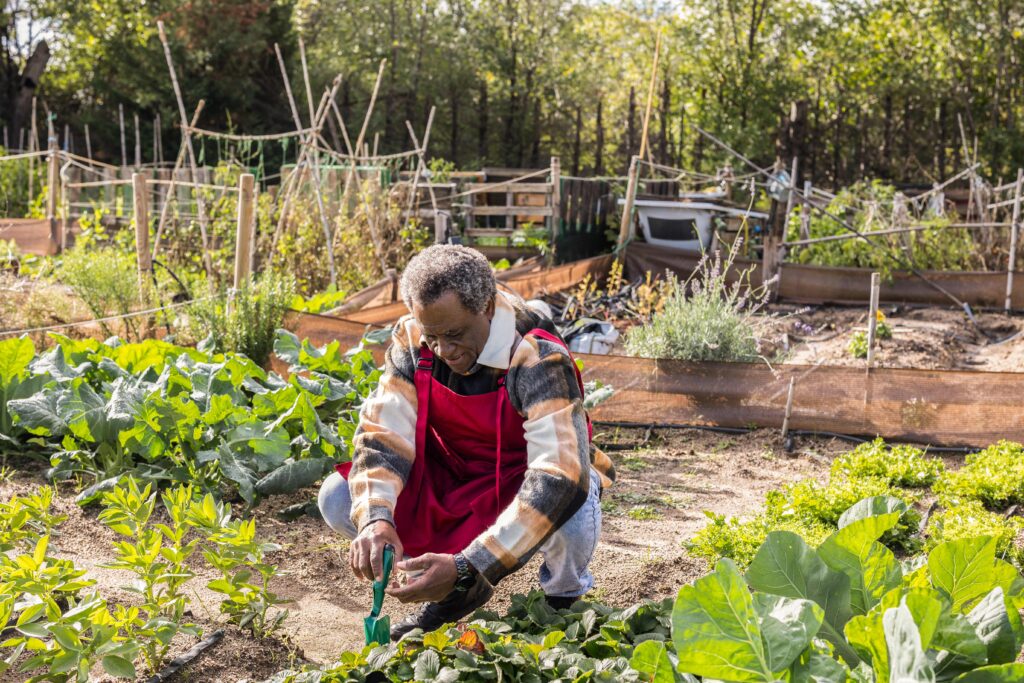
For gardening, the climate changes everything. You may need raised beds, shade cloth, mulch, drip irrigation, and drought-tolerant plants. Instead of copying a green Midwest homestead, an Arizona homestead should be designed for desert conditions.
Land, Zoning, and Permits
Homesteading does not mean you can ignore local rules. Counties may have requirements for building, septic systems, wells, driveways, RV living, tiny homes, and livestock.
Before buying land, contact the county planning or zoning office. Ask what is allowed on the parcel. Then check health department rules for septic and waste systems.
You should ask about:
- Residential use.
- Minimum dwelling size.
- Septic permits.
- Well permits.
- RV or temporary living rules.
- Road access.
- Livestock limits.
- Floodplain restrictions.
- Building permits.
This step can save you from buying land that looks perfect but cannot legally support the life you want.
Gardening and Animals in Arizona
Homesteading in Arizona often works best when it is small, efficient, and adapted to the climate. A huge garden may be difficult without reliable water. A smaller garden with good soil, shade, and irrigation may work much better.
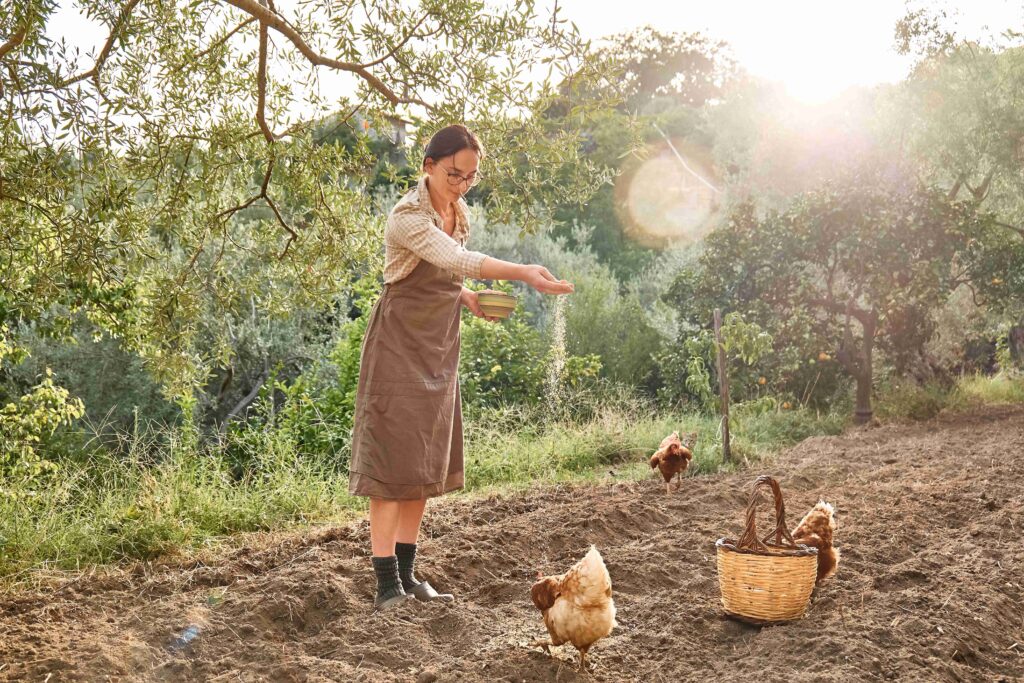
Common choices include desert-adapted vegetables, fruit trees in suitable areas, herbs, chickens, rabbits, goats, and bees. Larger livestock needs more land, fencing, feed, water, and shade.
Animals must be protected from heat. They need shade, clean water, airflow, and sometimes extra care during summer. In some areas, predators can also be a concern.
Is Arizona Good for Off-Grid Living?
Arizona can be good for off-grid living because it has strong solar potential. Solar panels, batteries, propane, composting systems, and water storage can support a simple lifestyle.
But off-grid does not mean rule-free. You may still need permits, septic approval, legal access, and a proper address. Internet access can also be limited in rural areas, so remote workers should check service before moving.
Final Thoughts
Homesteading in Arizona can be rewarding, but it requires realistic planning. The land may be beautiful and affordable, but water, heat, zoning, and distance from services matter.
The best approach is simple: research the county, confirm water access, understand the climate, start small, and build systems that match the desert.
Arizona homesteading is not about forcing a green farm into a dry landscape. It is about learning the land, using resources carefully, and creating a home that works with the environment instead of against it.